- Pixel Point didn't just redesign Unkey — they shipped seven custom web apps to run the homepage.
- Hero animations, dual ASCII rendering systems, a generative blog cover tool, and a shader footer that got swapped for video when perf said no.
TL;DR
On April 22, 2026, Unkey launched a new brand, a new website, and Unkey Deploy in public beta alongside a $4.5M seed round. Two days later, agency CEO Alex Barashkov (Pixel Point) revealed the scale of the build: seven internal web apps powered the new site — three hero animations (Spider, Tags Cloud, Lightning), a custom blog cover generator, two experimental ASCII rendering systems, and a shader-driven footer animation that ultimately got replaced with a pre-rendered video because performance mattered more than purity.
What's new
Unkey's old site did the job. The new one is a statement: the company that wants to be the developer platform for modern APIs is going to look like a developer platform — not a SaaS template.
The rebrand shipped alongside two business announcements:
- A $4.5M seed round led by Uncork Capital, with Essence VC, Sunflower Capital, PWV, Tokyo Black, and Step Function participating.
- Unkey Deploy entering public beta — the platform piece that pushes Unkey beyond key management into a full API deployment stack.
But the story Alex Barashkov told on X wasn't about the brand colors or the tagline. It was about the seven pieces of software his team wrote to make the homepage render.
The seven internal apps
Here's the inventory, straight from the thread:
- Spider — a hero animation, organic and reactive.
- Tags Cloud — a second hero variant built around moving keyword tags.
- Lightning — a third hero variant, high-contrast and electric.
- Custom blog cover generator — generates a unique on-brand cover image for every post, so the blog never ships with a generic stock thumbnail.
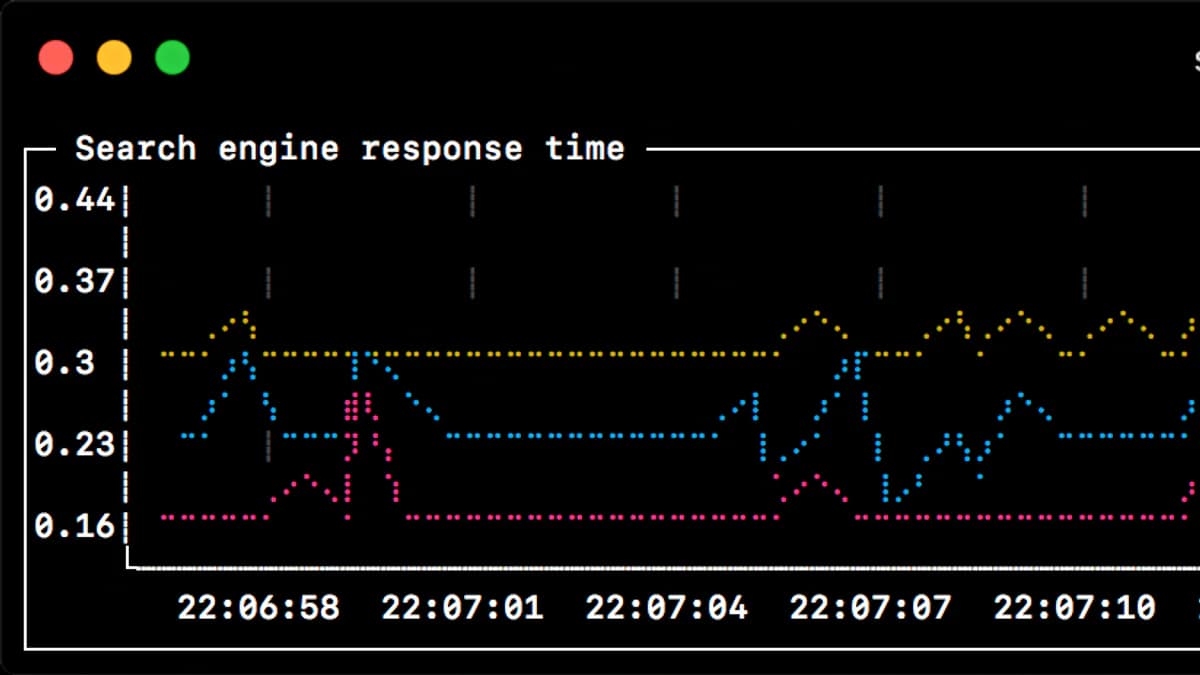
- ASCII rendering system #1 — experimental, pushes text-as-pixel visuals into the homepage.
- ASCII rendering system #2 — a second, different ASCII renderer exploring the same space with a different grammar.
- Shader-driven footer animation — originally WebGL/GLSL. Ultimately replaced with a pre-rendered video because the runtime perf cost outweighed the win on a section users barely scroll to.
Why it matters
Three signals worth pulling out:
1. Modern brand launches ship software, not deliverables. Ten years ago an agency rebrand ended in a Figma handoff. Five years ago, a Webflow build. Today, for dev-facing companies, the site itself is a software product — with state, animation engines, and perf budgets. Budget for engineers, not just designers.
2. Tooling > one-off art. Six of the seven apps are one-time visual effects. The seventh — the blog cover generator — is the most interesting, because it keeps working after launch. Every new Unkey blog post automatically gets a branded cover. That's the kind of internal leverage small marketing teams should be copying.
3. The shader → video swap is the real lesson. The footer shader worked. It was cool. It got killed anyway because users wouldn't notice the difference, but their browsers would. Knowing when to throw away a technically impressive thing is harder than building it.
Comparison — who else is doing this?
Unkey isn't alone, but the peer group is thin:
| Company | Custom web app for brand | Reusable tooling? |
|---|---|---|
| Vercel | v0-style interactive hero experiments | Yes (v0 is a product) |
| Linear | Shader/particle hero | Mostly one-off |
| Resend | Brand motion system | Partial |
| Unkey | 3 hero engines + 2 ASCII systems + blog cover generator + shader footer | Blog cover generator is persistent |
What sets Unkey apart is the ratio of persistent tooling to one-shot art. Most brand rebrands produce a splash page that goes stale in 18 months. A blog cover generator produces new on-brand assets forever.
Use cases — who should copy this playbook?
- Devtool / infra startups: the Spider / Lightning / ASCII vocabulary is a way to signal "we're for developers" without defaulting to another terminal-prompt hero.
- Agencies serving devtools: the real business model here is productizing internal animation kits and generative tooling so every client gets faster + cheaper than the last.
- Solopreneur / indie founders: don't try to ship seven apps. Do ship one — a generator that keeps making content for you. That's the highest-leverage piece of the Unkey build.
Limitations & pricing
- None of the seven internal apps are open-sourced as of April 24, 2026. No GitHub repo was linked in Barashkov's thread.
- Pixel Point (Toulouse, France) doesn't publish rebrand engagement pricing. For context, an agency build of this scope typically lands in the six-figure range — which is why Unkey did it after the seed, not before.
- The shader footer was a perf failure, not a design failure. Anyone shipping WebGL in production should treat this as a useful data point: beautiful shaders can still lose to a 3-second video loop.
What's next
Unkey's seed capital is earmarked for three things: Deploy improvements (speed, regions, observability), continued open-source work, and DX-focused engineering hires. The rebrand is the frame; the product push is what the money actually funds.
Open question: will Pixel Point or Unkey release any of the seven apps as OSS or a template? The blog cover generator is the most obviously reusable — a public version would be a genuine gift to the indie dev community.
Source: Alex Barashkov on X, Unkey seed announcement, Pixel Point.