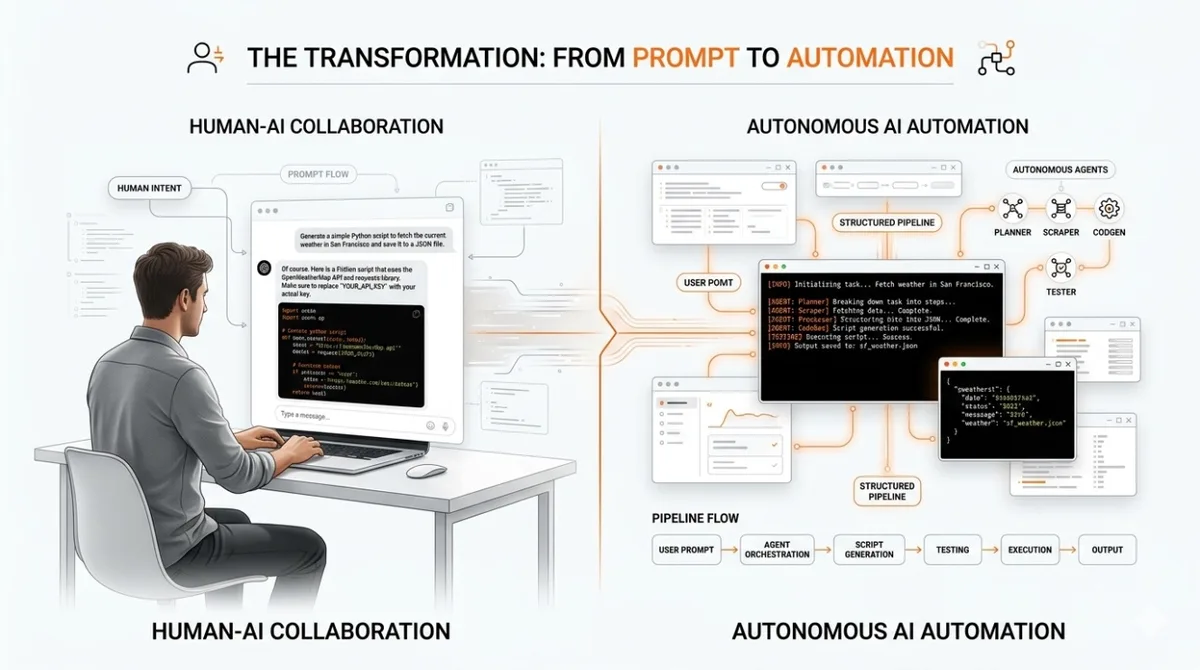

- Một sinh viên tốt nghiệp CS không có kinh nghiệm thực tế dùng Claude để chuẩn bị phỏng vấn fintech - và được nhận.
- Trong vòng vài tháng, anh xây một bot reconciliation cắt giảm khối lượng công việc hàng ngày từ 8+ giờ xuống dưới 1 giờ, giảm lỗi từ 15% xuống dưới 3%.
- Sau đó anh xây bot arbitrage Polymarket, tự động hóa kênh YouTube, và tự khai thuế thu nhập hỗn hợp một năm - tất cả mà không tự viết một dòng code nào.
TL;DR
Một sinh viên tốt nghiệp CS người Ukraine - bằng trong tay, zero kinh nghiệm thực tế - ngồi xuống với Claude một tuần trước buổi phỏng vấn fintech. Anh nhờ Claude hướng dẫn qua những gì công việc thực sự yêu cầu: SQL cơ bản, reconciliation logic, cách một team payment ops vận hành hàng ngày. Anh được nhận. Rồi anh dùng Claude Code để tự động hóa phần lớn công việc đó. Đây là diễn biến - những chỗ hiệu quả, và những chỗ đụng trần.
Khoảng Cách Giữa Bằng Cấp Và Công Việc
Anh tốt nghiệp từ một trong những trường đại học hàng đầu Ukraine với bằng CS. Một hai năm đầu anh thực sự hứng thú. Rồi kiệt sức ập đến, và nửa sau chương trình là cố sống qua ngày - được giúp đỡ bởi việc COVID nới lỏng mọi cấu trúc và ChatGPT xuất hiện đúng lúc cho luận văn của anh.
Anh có: bằng cấp. Anh thiếu: bất cứ thứ gì đã xây, bất cứ thứ gì đã ship, bất kỳ code production nào. Credential vượt qua bộ lọc HR tại một fintech. Kỹ năng phải đến từ chỗ khác, nhanh thôi.
Một tuần trước phỏng vấn, anh dành nhiều buổi với Claude đi qua đúng những gì anh cần - câu hỏi phổ biến cho vị trí data analyst, những gì hiring manager thực sự tìm kiếm, các edge case SQL, reconciliation có nghĩa gì trong bối cảnh payment ops. Anh vào phỏng vấn. Anh được nhận. Điều lớn hơn đến sau khi anh bắt đầu đi làm.
25 Hệ Thống Thanh Toán, Lỗi 15%, Một Analyst
Công ty xử lý hàng triệu giao dịch mỗi tuần. Công việc của anh là giữ mọi giao dịch được reconcile qua 25+ hệ thống thanh toán - ngân hàng, crypto processor, Stripe, PayPal, và các processor nhỏ hơn mà hầu hết người ngoài ops chưa bao giờ nghe đến. Mỗi hệ thống xuất từ 1.000 đến 12.000 dòng mỗi tuần. Mỗi dòng phải khớp với CRM nội bộ. Bắt refund. Bắt partial settlement. Track affiliate payout, tiền hoa hồng, phí thanh toán muộn.
CRM cũ và không giao tiếp đúng với hầu hết các hệ thống thanh toán. Trước khi tự động hóa, sai lệch giữa những gì CRM báo cáo và những gì thực sự đến tài khoản chạy trên 15%. Anh là người cuối cùng rời văn phòng mỗi tối.
Anh nhờ Claude Code viết script reconciliation. Prompt của anh mô tả input (CSV export với định dạng cột khác nhau), matching logic (theo transaction ID), edge case (partial refund, currency conversion, affiliate fee deduction đến trong một batch riêng), và định dạng output (mismatch được flag với nguồn, expected vs actual, nguyên nhân có thể).
Hai người qua lại trong vài ngày. Script chuẩn hóa định dạng qua tất cả 25 hệ thống, khớp record với CRM, và flag bất cứ thứ gì không aligned. Một lớp thứ hai xử lý chargeback, chargeback reversal, currency gap, và cấu trúc phí.
Sai lệch giờ nằm trong khoảng 1 đến 3%. Những gì mất 8+ giờ mỗi ngày giờ mất khoảng một tiếng. Anh ước tính khoảng 35 giờ mỗi tuần trả về cho mình.
Anh không viết một dòng code nào trong đó. Anh mô tả những gì anh cần và review những gì Claude Code tạo ra.
Bot Arbitrage - Và Prompt Thực Sự Hiệu Quả
Sau khi công việc ổn định, anh tìm thấy một tool trả phí quét cơ hội arbitrage giữa các prediction market - Polymarket, Kalshi, và các sàn khác. Nó tốn 50 mỗi tháng. Anh quyết định tự xây tương đương.
Vấn đề khó không phải là API call hay tính toán spread. Mà là market matching. Will Trump win Pennsylvania trên Polymarket có thể được diễn đạt hoàn toàn khác trên Kalshi. Hàng trăm nghìn cặp phải được so sánh, và spread 5-15% trừ phí biến mất nhanh nếu bạn không thể xác định chúng kịp thời.
Gửi mọi cặp đến LLM trực tiếp không thực tế - latency và chi phí sẽ làm nó vô dụng. Vì vậy trước khi bất cứ thứ gì đến model, anh xây ba pre-filter loại bỏ 95% mismatch rõ ràng:
Ngày resolution trong vòng 48 giờ
Độ tương đồng title + description trên 60%
Category khớp qua taxonomy chuẩn hóa (mỗi platform dùng label riêng; Claude Code xây map thu gọn tất cả thành một bộ chung)
Chỉ các cặp vượt qua cả ba mới đến LLM. Bot tìm thấy 90 đến 150 cặp arb hợp lệ mỗi ngày.
Phần thú vị không phải là pipeline. Mà là cách anh sửa matching prompt.
Các lần thử đầu tiên của anh theo hướng hiển nhiên: Bạn là chuyên gia phân tích. So sánh hai thị trường này và quyết định xem chúng có giống nhau không. Model tự tin sai quá nhiều - khớp Will SpaceX IPO in 2025 với Will OpenAI IPO in 2025 vì cả hai đều là tech IPO market trong cùng năm.
Anh đảo giả định mặc định. Thay vì yêu cầu model tìm match, anh buộc nó giả định mọi cặp đều là mismatch và chỉ trả về is_match=true nếu nó có thể bác bỏ vị trí ban đầu của chính mình. Cùng model. Cùng dữ liệu. Giả định mặc định khác. False positive giảm xuống gần bằng không.
Đây là phần đáng ghi nhớ: code là nửa dễ. Nửa khó là tìm ra chỗ model sẵn sàng sai, rồi viết lại prompt để nó phải làm việc chống lại chính mình thay vì hướng đến xác nhận.
Những Chỗ Thất Bại
Không phải mọi thứ đều hiệu quả.
Thất bại lớn nhất là bot cho các thị trường Polymarket 15 phút - hợp đồng giải quyết nhanh nơi việc vào và thoát có lợi đòi hỏi thực thi millisecond, hiệu chỉnh model, và quản lý rủi ro mà các team quant thực sự mất nhiều năm phát triển. Claude Code viết code không vấn đề gì. Nhưng code không phải là ràng buộc khi domain knowledge không có để mô tả code thực sự nên làm gì.
Bài học anh rút ra từ thất bại đó: Claude Code cho phép bạn xây bất cứ thứ gì bạn mô tả được rõ ràng. Nếu bạn không mô tả được rõ ràng, không tool nào sửa được điều đó.
Chỉnh sửa YouTube cũng đụng trần tương tự. Anh tự động hóa toàn bộ production pipeline - Claude viết script từ transcript của đối thủ, ElevenLabs clone giọng của anh, Claude xử lý thumbnail và mô tả. Kênh đạt 400 subscriber với 2-4K view trên các video tốt hơn. Nhưng mỗi video vẫn mất 6-8 giờ chỉnh sửa thủ công so với 30 phút công việc tự động. AI không thể cắt B-roll theo voiceover. Anh đóng cửa khi hứng thú cạn.
Tổng Kết Sau Một Năm
Sau một năm: công việc ổn định, chiếc xe đầu tiên, căn hộ ưng ý, tiền tiết kiệm đổ vào side project. Tổng chi phí tool: đăng ký Claude, bắt đầu từ 0 mỗi tháng.
Năm quy tắc khi bắt đầu từ zero:
Mô tả task như giải thích cho người mới. Input cụ thể, output cụ thể, edge case được đặt tên. Prompt mơ hồ tạo ra code mơ hồ.
Nghĩ theo bước, không theo project. Viết script đọc CSV và xuất JSON hiệu quả. Xây cho tôi một CRM thì không.
Khi có lỗi, paste lỗi lại. Claude Code sửa output của chính nó tốt hơn là đoán từ prompt mới.
Lưu các prompt hiệu quả. Prompt reconciliation của anh đã được tái sử dụng trong ba project khác với chỉnh sửa nhỏ.
Học từ prompt của người khác. Một template mượn được có thể tiết kiệm một tuần thử và sai.
Khoảng cách giữa tôi có ý tưởng và thứ đó tồn tại từng đòi hỏi tiền hoặc thời gian engineering. Với một phạm vi vấn đề rộng, giờ đây chỉ cần vài buổi tối và khả năng mô tả những gì bạn muốn đủ chính xác. Phần cuối đó — độ chính xác của mô tả — là kỹ năng chưa được tự động hóa.
Via: Claude Code - Anthropic. Bối cảnh arbitrage prediction market từ Trevor Lasn.
Đạo hữu là phàm nhân, tu tiên giả
... hay AI cào nội dung?
Tất cả nội dung tại đạo quán đều miễn phí. Đạo hữu chỉ cần nhập email của mình để đọc tiếp. Nói KHÔNG với Spam. Huỷ subcribe lúc nào đạo hữu thích.
nếu không muốn nhận newsletter thì có thể nhập mail phụ